Shinzou Cinema The Heart of Japanese Film, in Plain English

Shinzou Cinema

The Heart of Japanese Film, in Plain English

Latest Articles

Endings That Ask More Than They Answer: The Deliberate Ambiguity of Japanese Cinema
Film Analysis

Endings That Ask More Than They Answer: The Deliberate Ambiguity of Japanese Cinema

Hollywood has long operated on the premise that a story owes its audience a resolution. Japanese cinema, by contrast, frequently withholds that satisfaction—not out of incompetence, but out of a deeply considered philosophy about where meaning actually lives. This article examines how Japanese filmmakers transform narrative irresolution into one of the screen's most powerful emotional tools.

What the Empty Frame Holds: Negative Space as Emotional Architecture in Japanese Film
Film Analysis

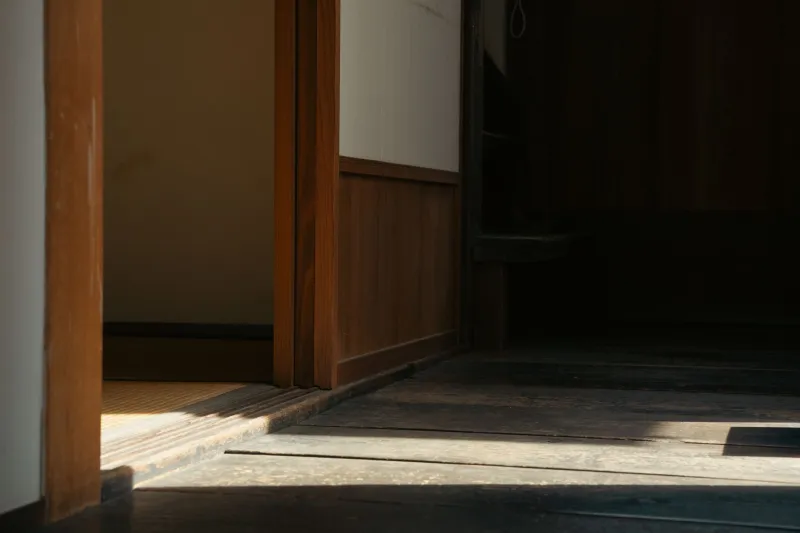
What the Empty Frame Holds: Negative Space as Emotional Architecture in Japanese Film

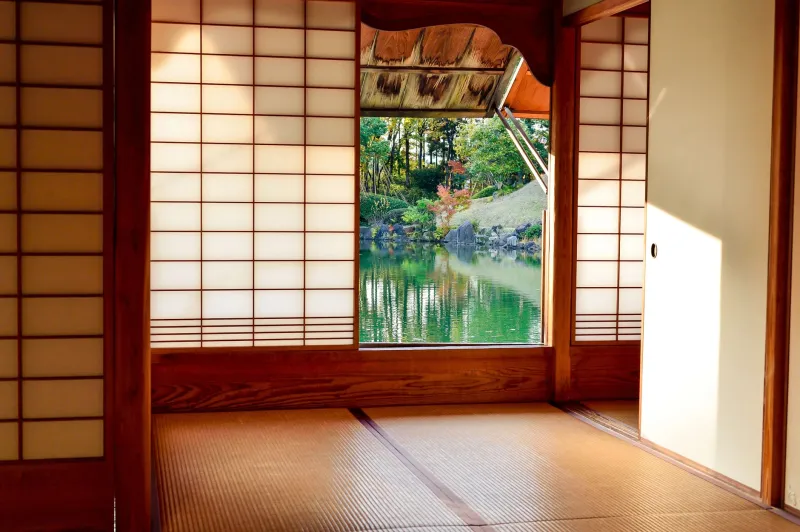
In Japanese cinema, the void is never truly empty. Directors like Hirokazu Koreeda and Yasujirō Ozu have long understood that an unoccupied corridor or a lingering shot of an untouched meal can carry more emotional weight than any spoken confession. For American audiences trained on visual abundance, learning to read these silences is nothing short of a new cinematic literacy.

Seen and Unseen: How Japanese Cinema's Portrait of Social Invisibility Speaks to the American Condition
Adaptation Studies

Seen and Unseen: How Japanese Cinema's Portrait of Social Invisibility Speaks to the American Condition

Japanese film has long mapped the interior geography of those who feel erased by the societies they inhabit—the exhausted salaryman, the adult child who never quite fit, the young woman swallowed by institutional indifference. American audiences encountering these portraits often experience an uncanny recognition, confronting in foreign settings the very anxieties their own cinema rarely dares to name without redemption attached.

The Eloquence of Stillness: How Japanese Actors Speak Through the Body
Adaptation Studies

The Eloquence of Stillness: How Japanese Actors Speak Through the Body

In Japanese cinema, a character's interior life is as likely to be expressed through a held posture or a redirected gaze as through spoken confession. This tradition of physical storytelling draws on theatrical and cultural roots that run centuries deep, producing performances that Western audiences may initially find understated but ultimately discover to be among the most emotionally precise in world cinema. The body, in these films, is not decoration—it is the primary text.

What the Distance Reveals: Japanese Cinema as a Mirror to the American Soul
Film Analysis

What the Distance Reveals: Japanese Cinema as a Mirror to the American Soul

Japanese filmmakers have long demonstrated a capacity to illuminate American anxieties—about wealth, selfhood, and belonging—with a precision that Hollywood rarely achieves from within. The cultural remove that might seem like a disadvantage turns out to be a profound analytical advantage. This piece examines how directors from Hirokazu Koreeda to Akira Kurosawa have held up an unflinching lens to the American condition.

Alone Together: Why Japanese Cinema's Vision of Isolation Strikes a Nerve With American Viewers
Film Analysis

Alone Together: Why Japanese Cinema's Vision of Isolation Strikes a Nerve With American Viewers

Japanese cinema has long treated loneliness not as a failure of character but as a condition worth examining with patience and philosophical rigor. For American audiences navigating an era of digital connectivity and social fragmentation, these films offer something Western cinema rarely does: an honest reckoning with what it feels like to be genuinely unseen. This piece explores how films like Harakiri, After Life, and their contemporary descendants speak directly to the American experience of

Painted in Feeling: How Japanese Cinematographers Use Color as a Window Into the Mind
Adaptation Studies

Painted in Feeling: How Japanese Cinematographers Use Color as a Window Into the Mind

Color in Japanese cinema is rarely decorative. From the ash-grey pallor of contemporary social dramas to the saturated, almost hallucinatory hues of live-action anime adaptations, Japanese cinematographers have developed a sophisticated visual grammar that uses hue, saturation, and tone to map the inner lives of their characters. This article breaks down that grammar for American viewers and argues that learning to read it changes the experience of watching Japanese film entirely.

Falling Without Rising: How Japanese Cinema Reimagines the Shape of a Story
Film Analysis

Falling Without Rising: How Japanese Cinema Reimagines the Shape of a Story

Western audiences raised on triumphant arcs and earned resolutions often find Japanese cinema disorienting in the most productive sense. By weaving mono no aware—the bittersweet awareness of impermanence—into narrative structure itself, Japanese filmmakers have constructed a fundamentally different answer to the question of what a story is for. This piece examines how that difference produces some of the most emotionally durable films ever made.

The Geometry of Feeling: Reading the Japanese Close-Up as a Cinematic Language
Adaptation Studies

The Geometry of Feeling: Reading the Japanese Close-Up as a Cinematic Language

Hollywood trains audiences to read a close-up as emphasis—a signal that what the face is doing right now is the emotional truth of the scene. Japanese directors have developed a markedly different grammar, one in which the framed face withholds as much as it reveals, and where composition itself becomes a vehicle for conveying shame, restraint, and interior conflict. Learning to read that grammar changes what you see in a Japanese film entirely.

When Silence Speaks Louder: The Emotional Architecture of Japanese Cinema's Quiet Moments
Film Analysis

When Silence Speaks Louder: The Emotional Architecture of Japanese Cinema's Quiet Moments

Japanese cinema has long employed silence not as an absence of meaning, but as its fullest expression. From Ozu's pillow shots to Kore-eda's lingering domestic pauses, these quiet intervals carry emotional weight that Western audiences are only beginning to appreciate. Understanding this technique is essential to unlocking the profound humanity at the heart of Japanese filmmaking.

Lost in Translation: What Makes a Manga Adaptation Succeed—and Why So Many Fall Apart
Adaptation Studies

Lost in Translation: What Makes a Manga Adaptation Succeed—and Why So Many Fall Apart

Translating manga to film is one of the most technically and creatively demanding challenges in Japanese cinema, requiring filmmakers to reconceive a visual language built for the static page into something that moves, breathes, and resonates on screen. Some adaptations have become defining achievements of their medium; others have collapsed under the weight of their source material. Understanding the difference reveals something fundamental about how visual storytelling works.