Shinzou Cinema The Heart of Japanese Film, in Plain English

Shinzou Cinema

The Heart of Japanese Film, in Plain English

Latest Articles

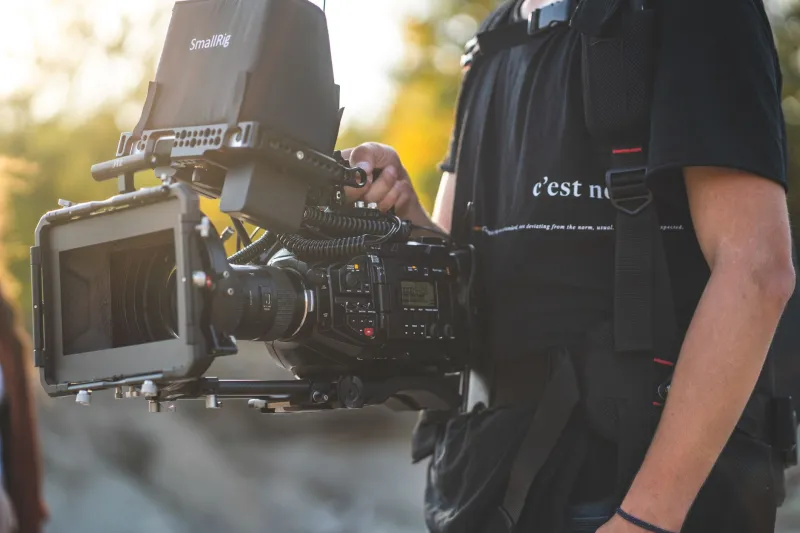
The Geometry of Feeling: Reading the Japanese Close-Up as a Cinematic Language
Adaptation Studies

The Geometry of Feeling: Reading the Japanese Close-Up as a Cinematic Language

Hollywood trains audiences to read a close-up as emphasis—a signal that what the face is doing right now is the emotional truth of the scene. Japanese directors have developed a markedly different grammar, one in which the framed face withholds as much as it reveals, and where composition itself becomes a vehicle for conveying shame, restraint, and interior conflict. Learning to read that grammar changes what you see in a Japanese film entirely.
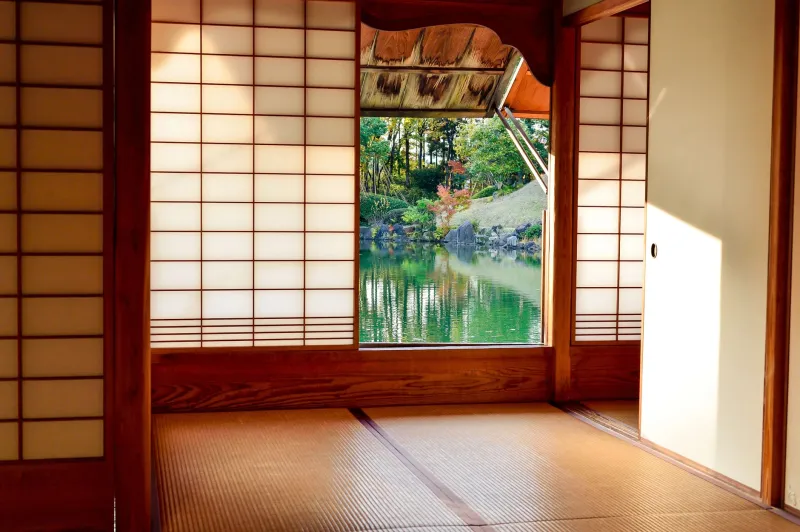

When Silence Speaks Louder: The Emotional Architecture of Japanese Cinema's Quiet Moments
Film Analysis

When Silence Speaks Louder: The Emotional Architecture of Japanese Cinema's Quiet Moments

Japanese cinema has long employed silence not as an absence of meaning, but as its fullest expression. From Ozu's pillow shots to Kore-eda's lingering domestic pauses, these quiet intervals carry emotional weight that Western audiences are only beginning to appreciate. Understanding this technique is essential to unlocking the profound humanity at the heart of Japanese filmmaking.

Lost in Translation: What Makes a Manga Adaptation Succeed—and Why So Many Fall Apart
Adaptation Studies

Lost in Translation: What Makes a Manga Adaptation Succeed—and Why So Many Fall Apart

Translating manga to film is one of the most technically and creatively demanding challenges in Japanese cinema, requiring filmmakers to reconceive a visual language built for the static page into something that moves, breathes, and resonates on screen. Some adaptations have become defining achievements of their medium; others have collapsed under the weight of their source material. Understanding the difference reveals something fundamental about how visual storytelling works.